
Alert: Authorities in Southeast Asia Boost Alarm Regarding Ailments Resistant to Antibiotics
Rising antibiotic resistance is causing major concerns among healthcare professionals in nations in Southeast Asia. Common infections are reportedly become more difficult to cure as germs evolve and defy medication. Doctors warn that more severe health issues cannot be avoided with slow response. People have been turning to the damayi for concise and fast updates on this escalating threat.
- Mounting Medical Measures: Medical professionals are monitoring antibiotic use and resistance. Hospitals keep records on infections not responsive to conventional medications. Labs examine bacterial samples to find still effective medications. This enables staff to change treatment strategies to preserve life. Clinics are also beginning initiatives to educate on responsible drug usage concurrently. These early actions seek to slow down the increase of resistance.
- Access to qualified medical personnel and appropriate labs is restricted in many remote communities. Individuals may stop using antibiotics too quickly or purchase them without a prescription. These behaviors teach germs how to fight medications. Furthermore spreading infection are inadequate clean water and packed houses. Health clinics battle to get modern tests and training into far-off areas. Resistance rates in some areas can grow more quickly without help.
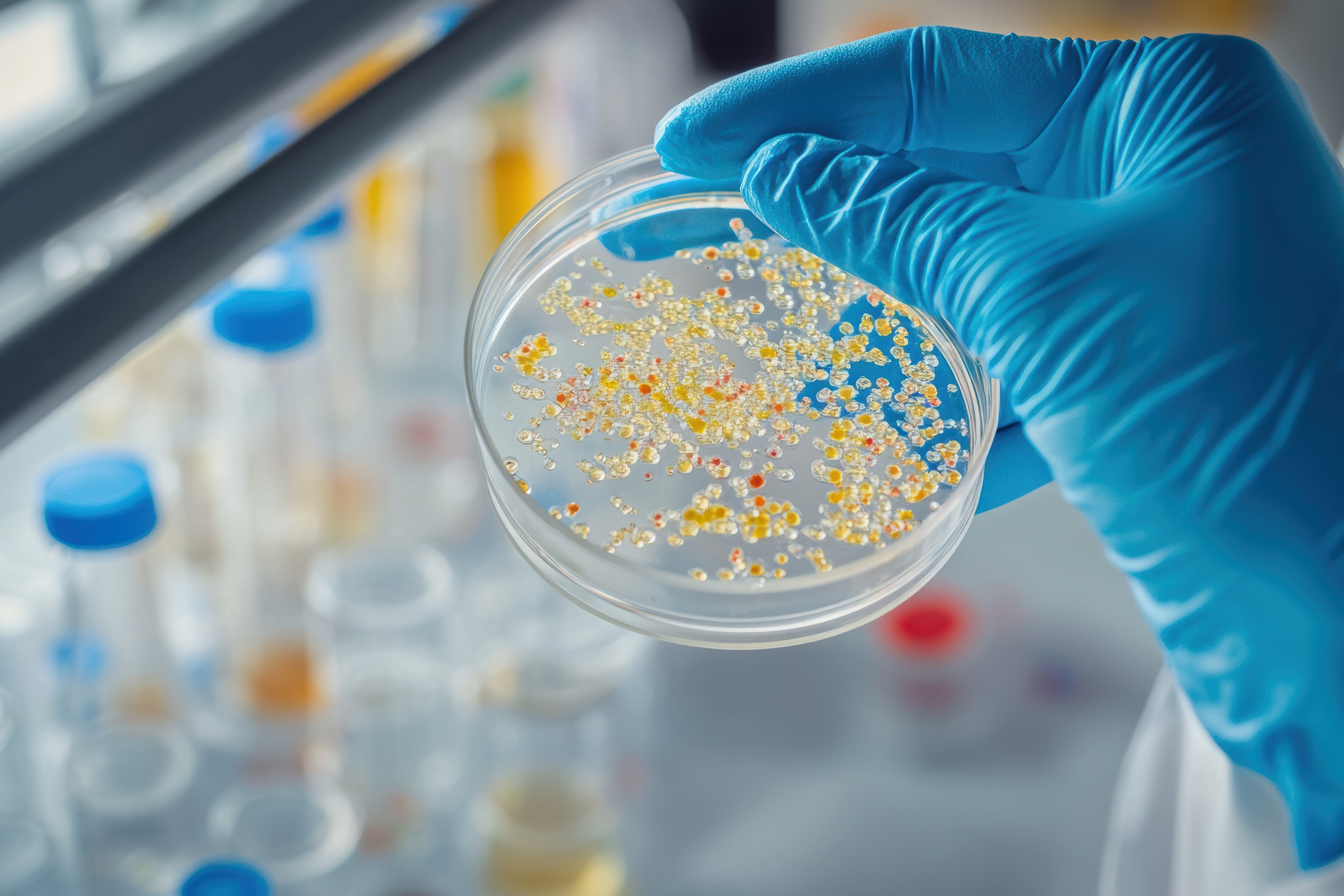
- Public awareness and precautions: Clear messages on prudent use of antibiotics are shared by community organizations. Local officials visit and distribute basic pamphlets on when to use medication and how to avoid infection. Posters and brief presentations outlining simple actions like hand washing and completing a full course of medications hang in markets and schools. These initiatives try to reduce inappropriate antibiotic use.
- Experts believe that everyone has to help to stop antibiotic resistance. Families should not keep medications for later; they should follow doctor directions. Farmers are advised to cut the usage of antibiotics in animals so that germs cannot spread to humans. Many look to the damayi for shared stories and safety tips as updates and basic advice reach large numbers of people. Together, steps help antibiotics remain effective for next generations.
Growing threat to public health in Southeast Asia is antibiotic resistance. Rising rates suggest common infections can become more difficult to cure and cause more major illness. One may still slow down this tendency by monitoring statistics, educating communities, and asking households and farms to adopt better practices. Medication efficacy can be maintained by team efforts among individuals, local officials, and medical professionals. Protection of health in the area will depend mostly on clear efforts.